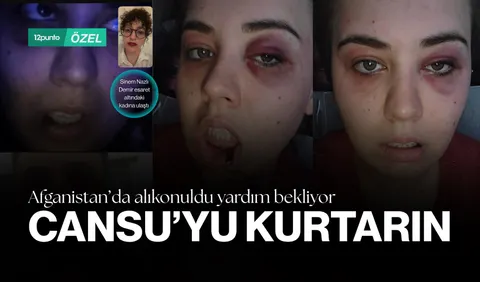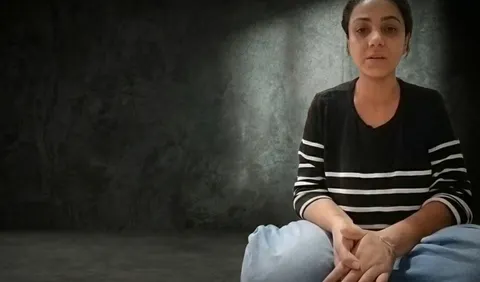

News: Sinem Nazlı Demir 31-year-old Turkish citizen Cansu Ndori, formerly known as Cansu Badur, addressed the public and called for help with the video she shot from the house in Afghanistan where she was forcibly detained and subjected to violence. While these images, which quickly spread on social media, made Cansu's situation visible, the incident also had a wide impact in Turkey.
Following this call, 12punto reached out to Cansu and her family in Turkey and began to follow the process directly. After the first contact with the family, details about the violence Cansu was exposed to in Afghanistan were made public.
“TALIBAN DID NOT ALLOW CANSU TO LEAVE AFGHANISTAN”
Cansu’s older brother Alican Badur described how she came to be in Afghanistan and the danger she now faces:
“My father died in 2022 and left my sister an inheritance of 80,000 lira. Cansu was working at a textile workshop in Sultangazi then, where she met Afghan citizen Abdul Varsi Ndori. They began talking, and Abdul borrowed the money but did not repay it. After an argument, police found that Abdul was in Türkiye without legal status, and he was deported to Afghanistan in 2022. He then invited Cansu to Afghanistan, promising to give her the money back. She went to Kabul, but was deceived with a promise of marriage and forced to marry him amid pressure and violence from his family. Cansu has been in Afghanistan for about a year and has not been able to return. About five weeks ago, she escaped the house and sought refuge at the Turkish embassy in Kabul, her face swollen. Officials began the procedures and placed her in a hotel. The family bought a ticket for 4 March, but she missed the flight because the procedures were incomplete. Another ticket was then bought for 6 March. Cansu went to the airport, but Taliban officials told her she was subject to an exit ban because her husband had complained about her. They prevented her from leaving and handed her over to Abdul. We ask the authorities to bring my sister back to Türkiye as soon as possible. She is with someone whose mental health is unstable, and her life is in danger.”
AUTHORITIES TOOK ACTION
Following 12punto's news, CHP Şanlıurfa Deputy Mahmut Tanal shared Cansu's experiences on his social media account.
Tanal also established the necessary contacts and contacted the Ministry of Foreign Affairs officials, and the officials gave feedback, stating that they would follow the process.
However, since there is no official statement yet from the ministry, the family is waiting for a concrete step to be taken.
EMBASSY CALLED CANSU'S FAMILY
After a while, officials from the Embassy of the Republic of Turkey in Kabul called Cansu's older brother, Alican Badur, and stated that they had contacted the Afghanistan Ministry of Internal Affairs, as the authorized institution, for Cansu.
Embassy officials said that they were following the process, but despite everything, there was a possibility that Cansu would not be able to leave Afghanistan.
The family demands the officials of the Ministry of Foreign Affairs of the Republic of Turkey to make a public statement on the issue and to officially initiate the process of bringing Cansu back to Turkey.
VIOLENCE AGAINST WOMEN IS LEGITIMATED BY LAW IN AFGHANISTAN
The new criminal law adopted by the Taliban in Afghanistan in February this year includes regulations that may have serious consequences against women, especially regarding domestic violence:
- Impunity of violence: Physical violence is not considered a crime unless a bone is broken or an open wound occurs
- Education ban: Exclusion of girls from all levels of education
- Restriction of freedom of movement: Inability to travel without a male companion
- Legalization of domestic control: Punishment of women's unauthorized social relations
- Expansion of social control: Giving individuals the authority to intervene and punish on "moral" grounds
- Continuation of physical punishment: Punishments such as flogging continue to be applied, including to women