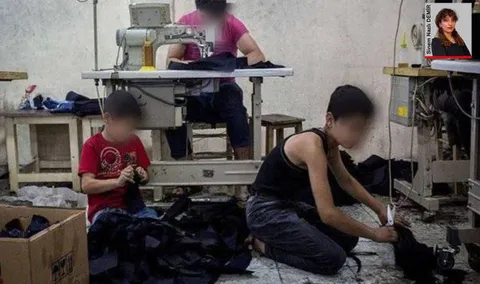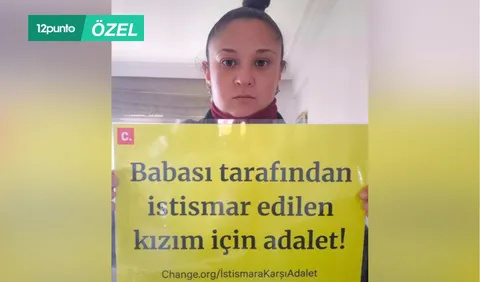
Every year in Türkiye, hundreds of children are exposed to neglect and abuse by their parents or caregivers. Children experience more trauma, especially in crimes against physical immunity and during litigation processes.
One of the associations that carry out comprehensive projects on child abuse is the Triangulation Association. The association, which has been providing psychological and legal support to children since 2015, also deals with cases through its emergency support line.
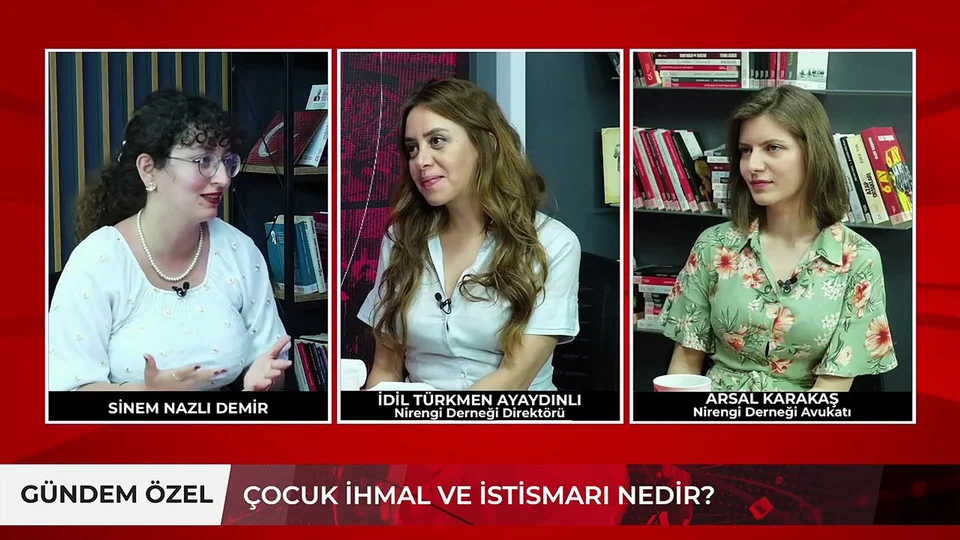
Speaking to Cumhuriyet TV, association representatives İdil Türkmen Ayaydınlı and Arsal Karakaş explained the importance of the reporting obligation and the increase in unreported cases.
'THERE ARE THREE TYPES OF NEGLIGENCE THAT MUST BE ADDRESSED'
İdil Türkmen Ayaydınlı, the director of the association, who made the most general definition of child neglect and abuse, started her speech by drawing attention to the statements of the World Health Organization:
According to the definition of the World Health Organization, neglect is when the person responsible for caring for the child does not meet the needs necessary for the child's development or does not take these needs into consideration. These needs are health, education, emotional development, nutrition, shelter and safe living conditions. The parent or caregiver must provide the child with a living space commensurate with the resources he/she has.
Neglect: Can be addressed physically, emotionally and educationally.
DEATH MAY BE THE RESULT OF ABUSE
ABUSE
According to the United Nations Convention on the Rights of the Child, anyone under the age of eighteen is considered a child, except for early adulthood. Child abuse is any kind of maltreatment carried out knowingly or unknowingly by an adult, society or state, that negatively affects the health, physical and psycho-social development of a child aged 0-18 years.
Abuse: It can be handled physically, emotionally and sexually.
PHYSICAL ABUSE
It is a non-accidental injury to the child. It is the infliction of physical violence on a child by an adult using various methods for punishment, discipline, anger relief or other purposes. Torture; Behaviors such as sticking a needle into the body, extinguishing a cigarette, beating, pinching, biting, pulling the ear or hair, poisoning, strangling. Physical abuse is the most well-recognized form of abuse and is defined as “Any form of behavior that results in physical trauma or injury without an accident.” It is defined as .
Physical abuse injuries include pinching, biting, hitting, kicking, burning, attempting to strangle the child by covering the mouth, violently shaking, or harming the child's body in any other way. It is estimated that thousands of children are physically abused by their parents or close relatives every year. It is said that among these children there were some who were seriously injured and even lost their lives. It is also known that emotional trauma caused by physical abuse does not heal as quickly as physical wounds.
EMOTIONAL ABUSE
Among the types of abuse, one of the most common types in daily life is emotional abuse. The basis of emotional abuse is that the child experiences psychological damage.
It seems that this occurs due to two main reasons: Being exposed to attitudes and behaviors that negatively affect them, or being deprived of the attention, love and care they need, by the people who are responsible for taking care of them.
SEXUAL ABUSE
The use of a child by an adult for sexual gratification is considered child sexual abuse. Abuse in childhood can take the form of exhibitionism, voyeurism, swearing, molestation, rape, incest, and child pornography.
'WE SHOULD MAINTAIN THE NOTIFICATION PROCESS'
Ayaydınlı drew attention to the negligence and harmful behavior committed in order to 'educate' children and stated that the person's intention does not lead to exploitation of the incident. Explaining that in many cases, especially in the lawsuit and notification processes, sufficient information is not provided, Ayaydınlı said, "Sometimes, parents or caregivers can cause harm to the physical integrity of the child in order to 'keep the child in line'. Even if the person who does this has good intentions, this does not make the incident less than abuse. If adults do not have knowledge of the reporting processes after a child has been abused, then there may be disruptions in the process. This can mean that the child is abused for the second time."
'THERE ARE ALSO UNREPORTED DATA'
Arsal Karakaş, lawyer of the Triangulation Association, drew attention to the recent increase in virtual violence and unreported cases. Stating that many public officials do not know that the obligation to report is mandatory after suspecting that a child has been subjected to abuse, Karakaş stated that the courts are trying to adapt to various crimes, especially virtual violent crimes.
Saying that even simple suspicions can reveal serious facts, Karakaş said, "We know that there are unreported data as well as reported data. We see that those who call us have questions about what will happen in the process. If there is even a simple suspicion, everyone is obliged to report it. It is useful to know this. 'Should I get involved in this?' We get questions like: "We must all report it," he said.
MESSAGE FROM THE TRIANGULATION ASSOCIATION:
"If you are under the age of 18, if you are harmed by someone or if you know someone who has been harmed, we can support you. You can reach us on weekdays between 10:00-19:00 on 0850 216 53 67."